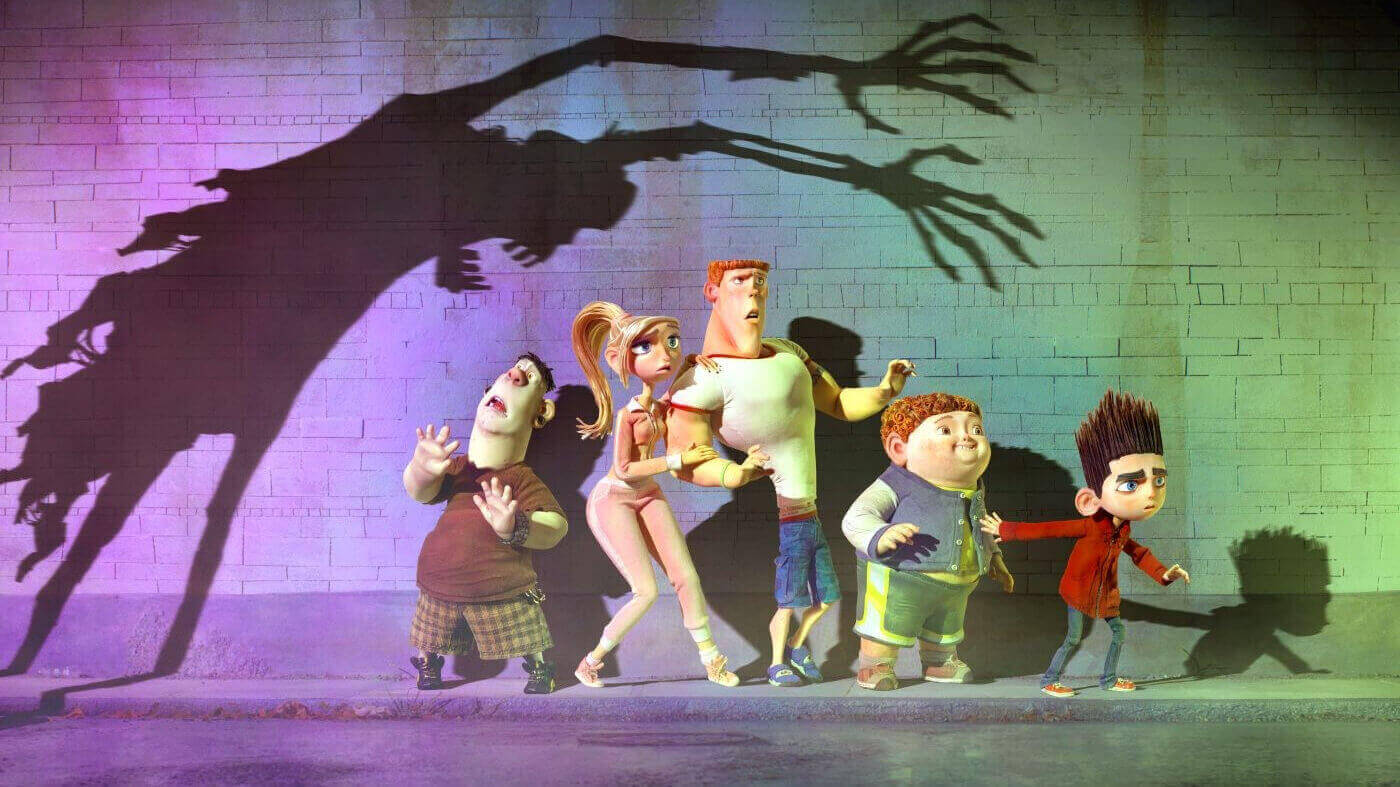
Stop motion is a form of animation video that involves manipulating physical objects and taking photographs of them one frame at a time to create the illusion of movement.
=This technique has been used in various forms of media, including film, television, and advertising, and has been around since the early days of cinema.
How To Create A Stop-Motion Animation
To create a stop-motion animation, the animator sets up a scene using puppets, models, or other objects and then takes a photograph of the scene.
They then make small adjustments to the objects and take another photograph, repeating this process hundreds or even thousands of times to create the illusion of movement.
The photographs are then played back at a high speed, typically 24 frames per second, to create a smooth animation.
Stop-motion animation can be created using a variety of materials, including clay, paper, and even food. The famous Wallace and Gromit series, for example, uses clay models to create their unique look and feel.
Other animators, such as PES, use everyday objects to create surreal and imaginative stop-motion animations.
The Advantages of Stop Motion Animation
One of the advantages of stop-motion animation is that it allows for a high degree of creative control.
Animators can create detailed and intricate scenes and can manipulate objects in ways that would be difficult or impossible with traditional animation techniques.
Stop motion also has a unique charm and character that sets it apart from other forms of animation, which can be seen in the quirky and imaginative works of animators like Jan Švankmajer and the Brothers Quay.
Conclusion
Stop motion animation requires a lot of patience and attention to detail, as animators must carefully plan and execute each shot to create a seamless animation. However, the results can be incredibly rewarding, as stop-motion animations have the power to captivate and inspire audiences of all ages.
PS:
Comments
Post a Comment